

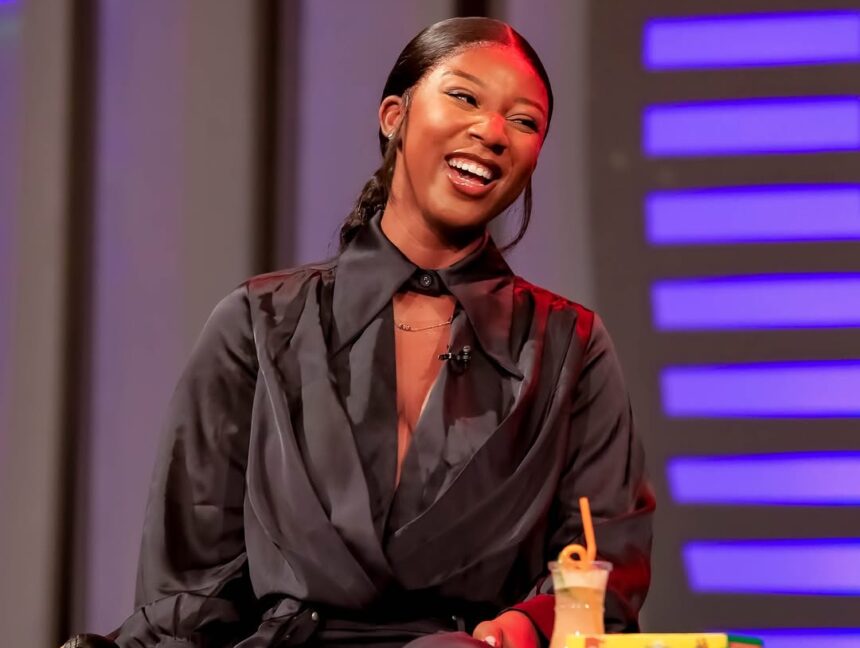
Father’s Day is usually a time for heartfelt tributes, family celebrations, and expressions of gratitude. This year, however, a resurfaced video involving Ghanaian media personality Gisela Amponsah has ignited a passionate debate across social media about family relationships, trauma, forgiveness, and public accountability.
The clip, which began circulating again during Father’s Day celebrations, features Gisela speaking candidly about her strained relationship with her father and expressing strong negative feelings toward him. While the comments were made previously, their reappearance during a day dedicated to celebrating fathers quickly attracted widespread attention.
Social Media Divided
As expected, reactions have been mixed. Some users defended Gisela’s right to share her personal experiences, arguing that not everyone has positive memories of their father. Supporters pointed out that Father’s Day can be emotionally difficult for individuals who experienced abandonment, neglect, or unhealthy family relationships.
READ ALSO: 5 Ways to Keep Yourself Safe During the Rainy Season in Ghana
Others, however, felt the timing and tone of the comments were inappropriate. Critics argued that publicly expressing hatred toward a parent, particularly on Father’s Day, could encourage negativity and overlook the importance of forgiveness and healing.

The debate soon expanded beyond Gisela herself and became a broader conversation about how society views family relationships.
The Reality Behind Family Struggles
One reason the discussion has resonated with many people is that it touches on an uncomfortable truth: not every parent-child relationship is healthy. While Father’s Day celebrations often highlight loving and supportive fathers, there are also individuals whose experiences have been marked by disappointment, absence, or emotional pain.
For some, seeing public figures openly discuss those realities can feel validating. For others, such conversations can seem unnecessarily harsh or damaging. The differing reactions illustrate how personal experiences often shape people’s perspectives on family matters.
Public Figures and Personal Stories
The incident also raises questions about the role of public figures when discussing deeply personal issues. In the age of social media, comments made years ago can quickly resurface and reach entirely new audiences. What may have originally been a personal reflection can become a national conversation overnight.
This reality places celebrities and influencers in a unique position, where personal experiences are often scrutinized and debated by thousands of people who may not know the full story.
Opinion: People Should Be Careful Before Judging
In my view, the debate surrounding Gisela Amponsah highlights a tendency on social media to rush to judgment without understanding the complete context.
It is easy to celebrate good fathers, and rightly so. Many fathers make tremendous sacrifices for their families and deserve recognition. However, it is equally important to acknowledge that not everyone has had that experience.
At the same time, strong public statements about family members can be divisive and may unintentionally shift attention away from conversations about healing and growth.
The reality is that family relationships are complicated. What appears shocking to one person may reflect years of pain and unresolved issues for another. Rather than choosing sides immediately, perhaps the more productive conversation is about understanding why such feelings exist and how families can address conflict before relationships reach that point.
As Father’s Day celebrations continue, the discussion sparked by Gisela’s resurfaced comments serves as a reminder that family experiences are not always the same—and that empathy often goes further than outrage in understanding them.