


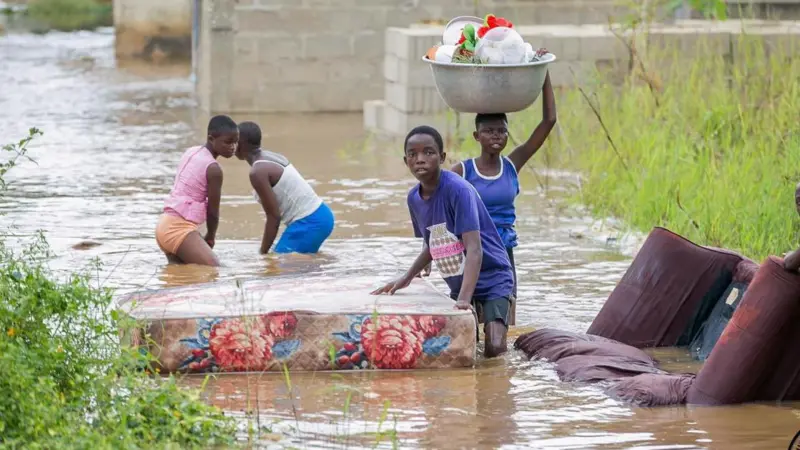
The rainy season in Ghana brings much-needed relief from the heat, replenishes water sources, and supports agriculture. However, it also comes with several risks, including flooding, road accidents, electrical hazards, and the spread of diseases. Whether you’re commuting to work, running errands, or simply staying at home, taking extra precautions during this period can help keep you and your loved ones safe.
Here are five practical ways to stay safe during the rainy season in Ghana.
1. Avoid Walking or Driving Through Floodwaters
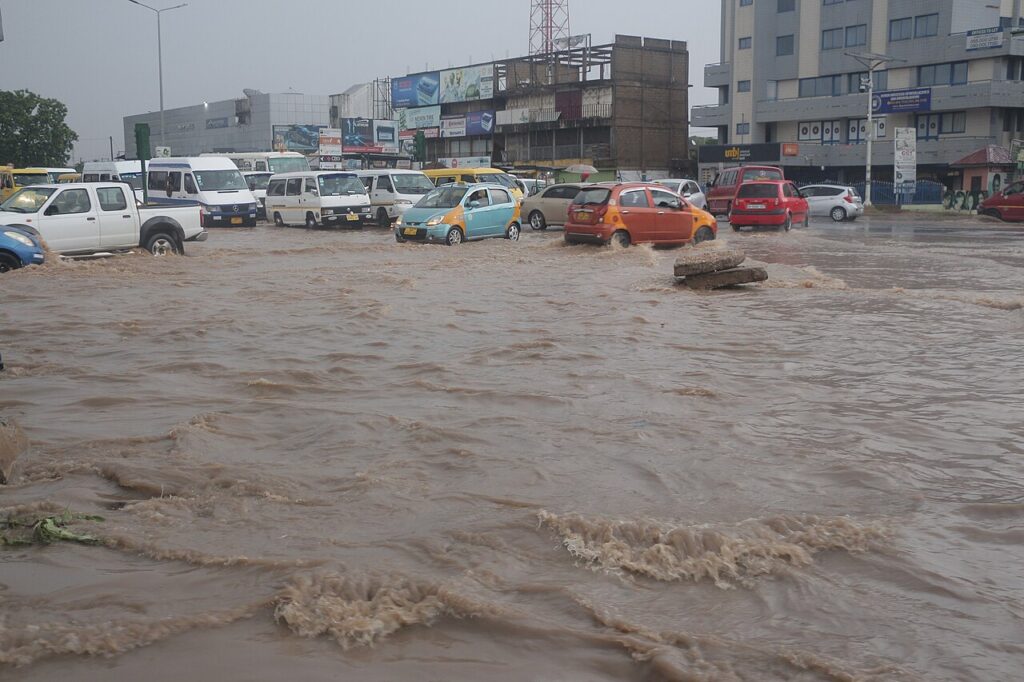
Heavy rainfall often leads to flooding in many parts of the country, especially in low-lying areas. What may appear to be shallow water can hide open drains, potholes, or strong currents capable of sweeping away vehicles and pedestrians.
READ ALSO: Sarkodie’s “Odo Pa” Isn’t Just a Song — It’s a Wake-Up Call For Most Women In Abusive Relationships
If you encounter a flooded road, turn around and find an alternative route. Never attempt to cross moving water, whether on foot or in a vehicle. Staying informed about weather forecasts and flood-prone areas can also help you plan your movements safely.
2. Be Extra Cautious on the Road
Rain significantly reduces visibility and makes roads slippery, increasing the likelihood of accidents. Drivers should reduce their speed, maintain a safe following distance, and ensure that their headlights, brakes, and windscreen wipers are functioning properly.
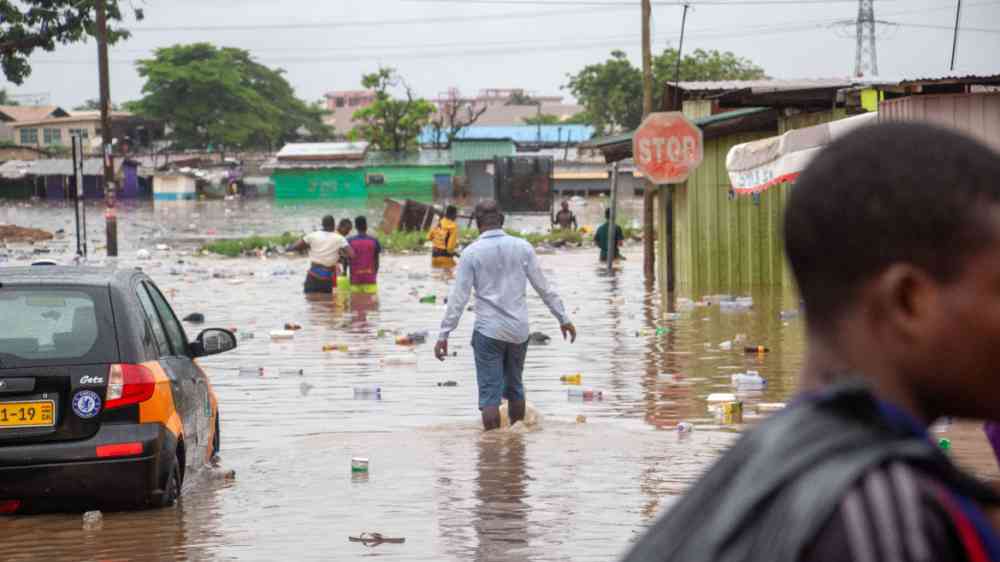
Pedestrians should also exercise caution when crossing roads, as drivers may have difficulty stopping suddenly on wet surfaces. Wearing bright or reflective clothing during heavy rain can improve visibility.
3. Protect Yourself from Mosquitoes and Waterborne Diseases
The rainy season creates ideal breeding conditions for mosquitoes, which can increase the risk of malaria. Stagnant water around homes, construction sites, and uncovered containers often becomes a breeding ground for insects.
Regularly clear drains, empty containers that collect rainwater, and sleep under treated mosquito nets. It is also important to drink clean water and maintain good hygiene practices to reduce the risk of waterborne diseases such as cholera and typhoid.
READ ALSO: Oraimo SpaceFlow Backpack Review: Smart Storage Meets All-Weather Protection
4. Stay Away from Electrical Hazards
Electricity and water are a dangerous combination. Flooded areas can conceal exposed electrical wires, damaged poles, or faulty connections that may cause electrocution.
Avoid touching electrical appliances with wet hands and unplug sensitive devices during severe storms. If you notice fallen power lines or exposed wires, report them to the appropriate authorities immediately and keep a safe distance.
5. Prepare an Emergency Plan and Supplies
Unexpected weather conditions can disrupt transportation, electricity, and communication networks. Having an emergency plan can make a significant difference during a crisis.
Keep essential items such as flashlights, batteries, first-aid supplies, bottled water, power banks, and important documents in a waterproof container. Ensure that family members know what to do and where to go if flooding or severe weather affects your area.
My Final Thoughts
The rainy season is a normal part of life in Ghana, but it requires everyone to be more alert and prepared. By avoiding floodwaters, practicing road safety, preventing disease, staying clear of electrical dangers, and having an emergency plan, you can significantly reduce the risks associated with heavy rains.
A little preparation today can help protect lives, property, and health throughout the season. Stay informed, stay cautious, and stay safe.