

The government, through the Ministry of Energy and Green Transition, says it is engaging key stakeholders to assess calls for a possible reduction or removal of taxes on petroleum products as fuel prices continue to rise.
The move follows increasing pressure from various groups, including the Minority in Parliament, transport unions, and other stakeholders, who argue that existing fuel levies are contributing to higher transport fares and an increased cost of living.
Growing Pressure on Fuel Prices
Calls for a review of petroleum taxes have intensified in recent weeks, with stakeholders urging government to provide relief to consumers facing rising living expenses.
Many of these groups believe that reducing or eliminating certain fuel-related taxes could help stabilise transport costs and ease financial pressure on households.
Government Response
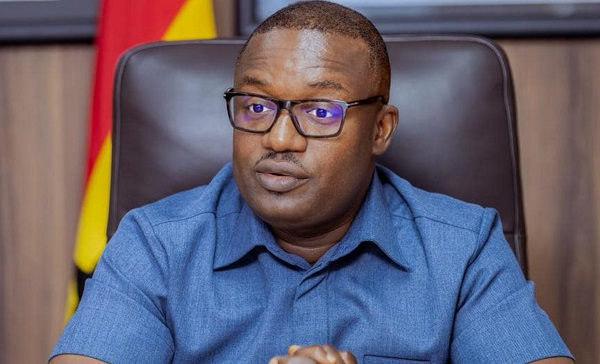
Speaking during this year’s COMAC Safety Week, Energy Minister John Abdulai Jinapor confirmed that discussions are ongoing between the Ministry of Energy, the Finance Ministry, and other relevant agencies.
He noted that the government is carefully evaluating both the economic implications and public concerns before making any final decision.
Balancing Relief and Stability
The minister emphasized that while government is open to reviewing the current tax structure, any policy decision must balance immediate public relief with long-term economic stability.
According to him, short-term measures must not undermine prudent economic management or create future fiscal challenges.
The Bigger Picture
The discussions reflect broader concerns over fuel pricing in Ghana, where fluctuations in global oil markets and domestic tax policies continue to influence transport costs and inflation.
The outcome of the ongoing consultations is expected to play a key role in shaping future energy pricing policies.