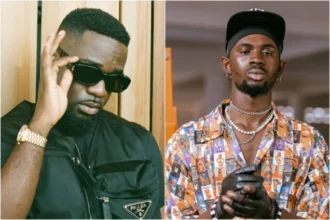


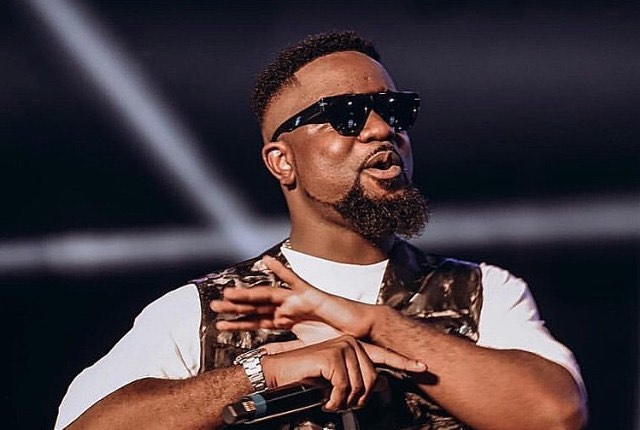
Ghanaian rap icon Sarkodie has once again reminded fans why he remains one of Africa’s most respected lyricists after delivering a powerful freestyle during an appearance on the BBC World Service’s This Is Africa, hosted by DJ Edu.
The interview was more than a celebration of Sarkodie’s remarkable career—it also became a platform for the award-winning rapper to address issues affecting the African continent, using his trademark wordplay and sharp lyricism to challenge Western hypocrisy while encouraging Africans to embrace unity and self-reliance.
As clips from the session spread across social media, fans praised both his message and his technical ability on the microphone.
Reflecting on a Two-Decade Journey
During the interview, Sarkodie looked back on a career that has transformed him from a young boy growing up in difficult circumstances to one of Africa’s biggest music stars.
READ ALSO: Fella Makafui Shares Bold Message on Business Success and Mindset
He spoke about the challenges he faced early in life and the determination that helped him build a career spanning more than two decades.
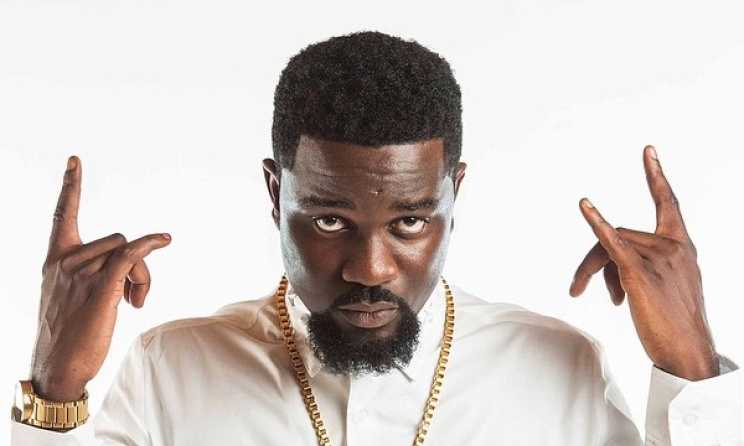
One of the milestones highlighted was his historic performance at Royal Albert Hall, where he became the first African rapper to headline and sell out the iconic venue. The achievement remains one of the defining moments of his international career and reflects the growing global recognition of African hip-hop.
A Freestyle With a Message
Rather than delivering lyrics focused solely on personal success, Sarkodie used his freestyle to explore broader social and political themes.
His verses touched on issues of exploitation, inequality, and the importance of Africans taking ownership of their future. The message emphasized self-determination, unity, and confidence in Africa’s potential—topics that have appeared in various forms throughout his music over the years.
Fans praised the performance for combining meaningful content with the rapid-fire flow and clever lyricism that have become synonymous with Sarkodie’s style.
Fans Celebrate Another Viral Moment
Social media quickly erupted after the freestyle aired. Many listeners described the performance as a reminder of why Sarkodie remains one of the continent’s elite rappers, applauding his delivery, confidence, and ability to communicate important ideas through music.
Others pointed to his long list of achievements, including more than 80 awards and numerous international performances, as evidence of his lasting influence on African hip-hop. While some enthusiastic supporters went as far as calling him Africa’s greatest rapper, those opinions remain subjective and continue to fuel healthy debates among music fans across the continent.
Staying Grounded Despite Global Success
Despite reflecting on his achievements, Sarkodie maintained a humble tone throughout the interview. He attributed much of his success to God’s guidance and expressed pride in representing Ghana on the international stage.
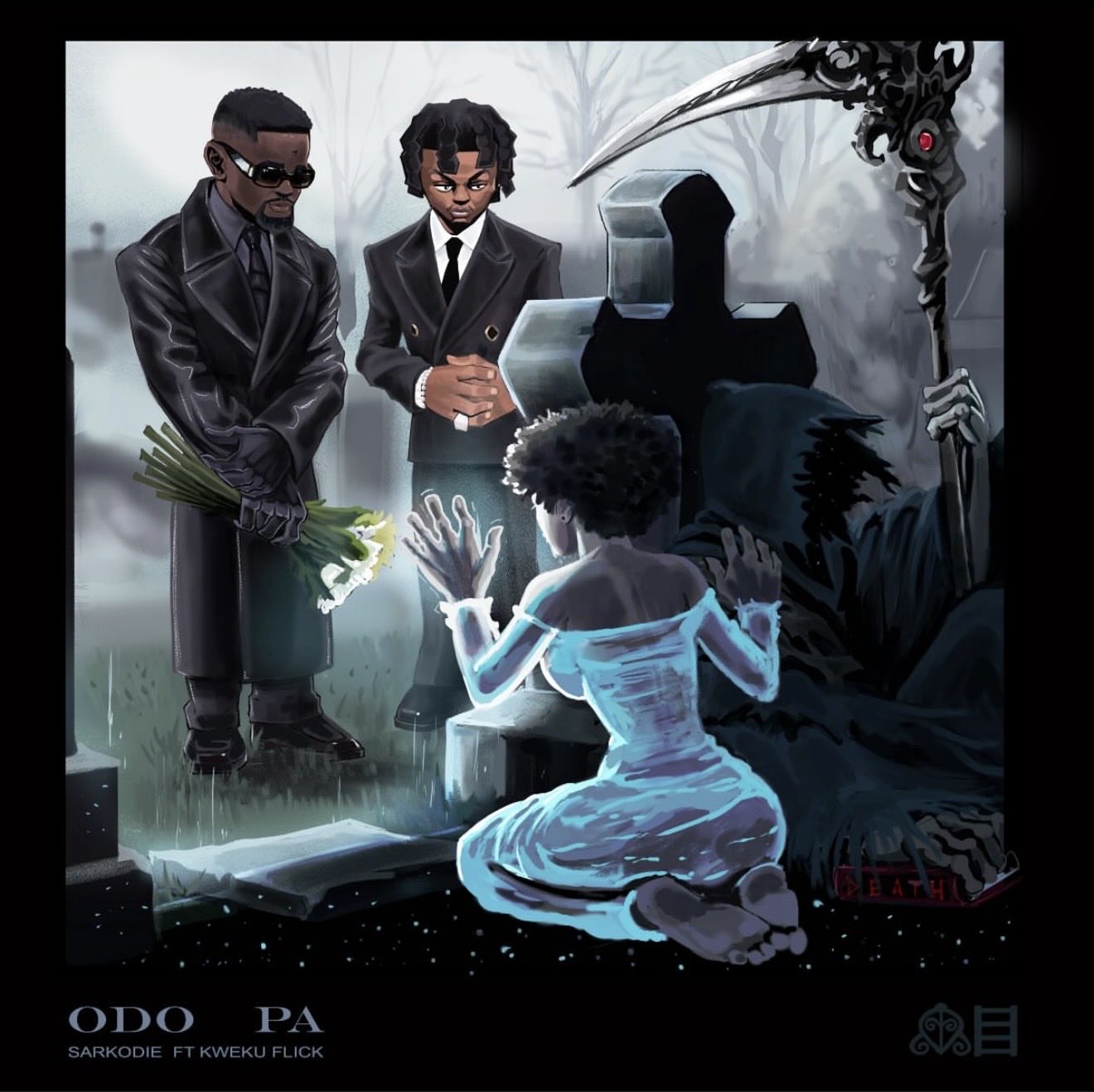
READ ALSO: Sarkodie’s “Odo Pa” Isn’t Just a Song — It’s a Wake-Up Call For Most Women In Abusive Relationships
Rather than focusing exclusively on personal accomplishments, he emphasized the importance of using his platform to elevate African voices and tell authentic stories.
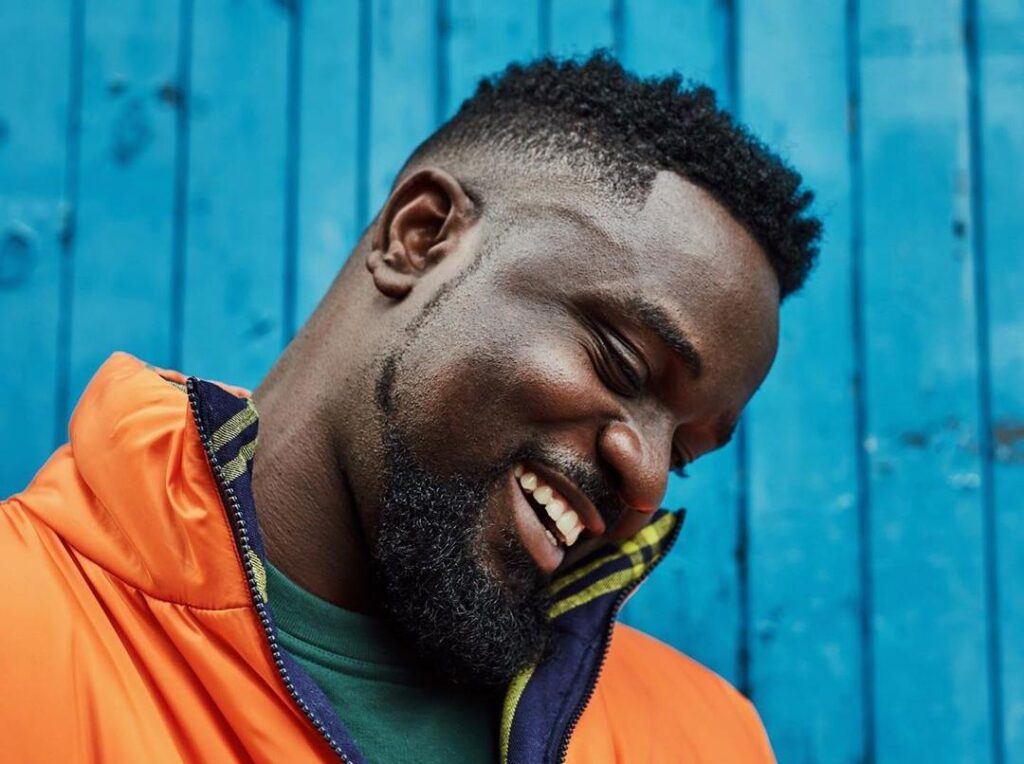
That balance between confidence and humility has been one of the defining characteristics of his public image throughout his career.
Opinion: Sarkodie’s Greatest Strength Has Always Been His Purpose
In my view, what separates Sarkodie from many talented rappers is not simply his technical ability—it is his consistency in using music to communicate ideas. Plenty of artists can rap quickly or deliver impressive punchlines. Far fewer can combine lyrical skill with messages that encourage reflection long after the song ends.
His BBC freestyle is another example of that approach. Whether listeners agree with every point he makes or not, Sarkodie continues to use major international platforms to speak about issues affecting Africa while proudly representing Ghana.
That willingness to blend entertainment with substance has helped him remain relevant for more than two decades in an industry where trends change rapidly. As the clips continue circulating online, one thing seems clear: Sarkodie has once again demonstrated that great rap is not only about clever rhymes—it is also about having something meaningful to say.