

Have you ever received your electricity bill and wondered how your household used so much power?
Sometimes the answer is not one unusual event. It can be the result of using several electricity-hungry appliances for long periods every day.
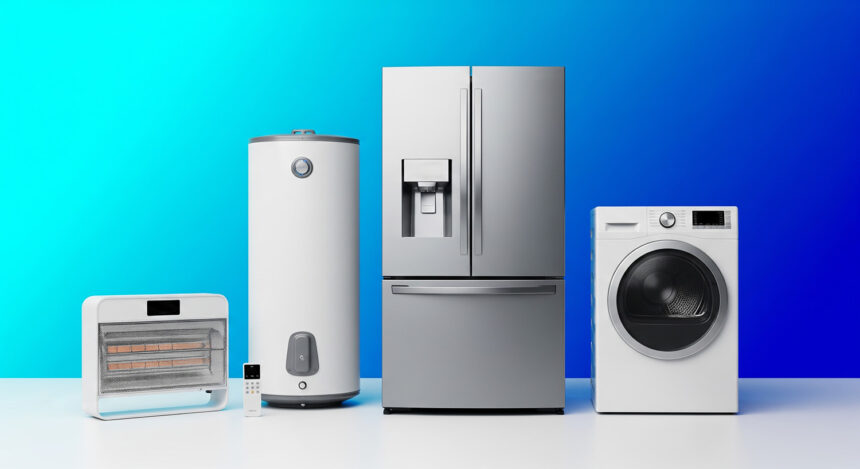
In Ghana, appliances such as air conditioners, electric water heaters, refrigerators, irons and electric cooking equipment can contribute significantly to household electricity consumption. The actual amount you pay, however, depends on factors including the appliance’s power rating, how long it operates and your applicable electricity tariff.
The Electricity Company of Ghana (ECG) has also highlighted high-consumption appliances and standby loads as factors that can contribute to electricity usage. ECG official website
Here are five appliances worth paying particular attention to if you are trying to control your electricity bill.
1. Air Conditioners
Air conditioners can be among the biggest electricity users in a home, particularly when they run for several hours every day.
The longer an air conditioner operates, the more electricity it can consume. Running several units at the same time can make the effect even greater.
This does not mean you have to stop using your air conditioner.
Instead, consider how you use it.
Ways to reduce unnecessary consumption
- Avoid setting the temperature unnecessarily low.
- Keep doors and windows closed while the unit is operating.
- Clean the filters regularly.
- Turn the unit off when nobody is using the room.
- Keep curtains closed when strong sunlight is heating the room.
- Have the unit serviced when necessary.
If you use an air conditioner every night, reducing unnecessary operating time can make a meaningful difference over the course of a month.
2. Electric Water Heaters
Electric water heaters can also consume considerable electricity because they use electrical energy to heat water.
If a household uses a water heater frequently, especially for long periods, it can become an important part of the home’s electricity consumption.
One common mistake is leaving a water heater switched on for much longer than necessary.
What you can do
Use the heater only when necessary and avoid leaving it running when there is no need for hot water.
You should also make sure the unit is properly maintained.
If the heater has developed a fault or is taking unusually long to heat water, have it inspected rather than simply increasing the amount of time it remains switched on.
Having high electricity bills? Read our guide on 5 Proven Ways to Slash Your ECG Electricity Bill and Save Money Every Month
3. Electric Irons
An electric iron may not run for as many hours as a refrigerator or air conditioner, but it can draw a relatively high amount of power while operating.
The way you use it matters.
Switching an iron on several times throughout the week for only a few clothes can be less convenient and may increase unnecessary operating time.
A simple approach is to organise your ironing and complete several clothes during one session.
Also remember to switch the iron off when you finish.
Never leave a hot iron unattended simply because you expect to return to it shortly.
4. Electric Cookers, Kettles and Other Heating Appliances
Appliances that generate heat can require significant amounts of electricity while operating.
These include:
- Electric cookers
- Electric ovens
- Electric kettles
- Electric frying appliances
- Hot plates
- Rice cookers
- Other electric heating equipment
The exact electricity consumption varies from one appliance to another, so don’t assume that every appliance in this category costs the same to operate.
What matters is the appliance’s power rating and how long you use it.
For example, boiling water repeatedly throughout the day with an electric kettle can add to household electricity consumption.
A useful habit is to heat only the amount of water or food you actually need rather than repeatedly running an appliance unnecessarily.
5. Refrigerators and Freezers
Refrigerators and freezers are different from many other household appliances because they normally need to operate throughout the day to keep food cold.
You therefore cannot simply switch them off every night to save electricity.
Instead, focus on making sure they operate efficiently.
Simple ways to reduce unnecessary consumption
- Avoid leaving the refrigerator door open for long periods.
- Make sure the door seals properly.
- Keep the refrigerator away from excessive heat where practical.
- Do not overload it to the point that air cannot circulate properly.
- Follow the manufacturer’s recommended settings.
- Keep the appliance properly maintained.
If a refrigerator is constantly struggling to maintain the correct temperature, it may be worth having it inspected.
An unusually noisy appliance, excessive frost or poor cooling can sometimes indicate a maintenance problem.
What About TVs, Chargers and Other Electronics?
High-power appliances aren’t the only things worth watching.
Televisions, decoders, computers, chargers, gaming consoles and other electronics can also consume electricity when left on or in standby mode.
ECG has advised consumers to pay attention to standby consumption and to switch off appliances when they are not in use.
The amount consumed by an individual device may be relatively small, but leaving several devices connected unnecessarily can add to overall household consumption.
A simple habit is to switch off devices completely when you are finished using them.
How to Find Out Which Appliance Uses the Most Electricity
Instead of guessing, look at the appliance’s power rating.
The power rating is usually displayed on a label attached to the appliance or provided in its documentation.
You can then consider how many hours the appliance operates each day.
For example, an appliance with a higher power rating that runs for several hours every day is likely to have a greater effect on your electricity consumption than a small appliance that operates for only a few minutes.
This is why two households with the same number of appliances can have very different electricity bills.
Their usage patterns may be completely different.
Don’t Blame Every Increase on One Appliance
If your electricity bill suddenly rises, don’t immediately assume that one particular appliance is responsible.
Think about what has changed in your household.
Have you:
- Started using an air conditioner more often?
- Added a new freezer?
- Begun using an electric water heater?
- Increased your cooking with electric appliances?
- Started spending more time at home?
- Added new electronics?
- Left appliances running for longer periods?
Looking at your overall consumption pattern can help you identify the real cause.
If you believe there is a problem with your meter or billing, contact ECG through its official customer-service channels instead of relying on unofficial advice.
Final Thoughts
Some household appliances can have a much greater effect on electricity consumption than others.
Air conditioners, electric water heaters, irons, electric cooking appliances and refrigerators are worth paying particular attention to, especially when they are used frequently.
The goal is not to stop using appliances that make life easier.
Instead, use them efficiently, maintain them properly and avoid leaving them running when they are not needed.
A few better habits repeated every day can help you take greater control of your household electricity consumption.
Remember: the actual cost of running an appliance depends on its power rating, how long it operates, its condition and the electricity tariff that applies to your household. So treat general appliance comparisons as a guide rather than a guaranteed monthly cost.