


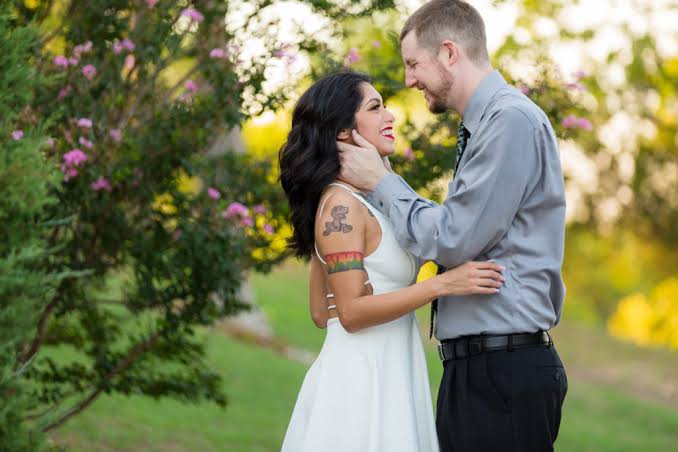
Getting married is an exciting step, but love alone does not prepare two people for everything that comes with building a life together.
Marriage can bring shared responsibilities, financial decisions, family expectations, career changes, children and many other situations that couples may not have faced while dating.
This does not mean couples need to agree on absolutely everything before getting married. In fact, disagreements are normal. What matters is being honest about important issues and understanding how each person thinks about the future.
Some couples spend a lot of time planning the wedding but very little time discussing what happens after the wedding.
Before saying “I do,” here are seven important things couples should seriously talk about.
1. Money and Financial Responsibilities
Money is one of the most important subjects couples should discuss before marriage.
You do not need to have the same income or spending habits, but both partners should understand each other’s approach to money.
Talk honestly about your income, savings, debts, major financial responsibilities and spending habits.
It is also worth discussing how you plan to handle household expenses.
For example:
- Who will pay for particular household expenses?
- Will you have joint savings?
- Will you maintain separate accounts?
- How will major purchases be decided?
- How will you handle existing debts?
- What are your long-term financial goals?
There is no single financial arrangement that works for every couple.
What matters is that both people understand the arrangement and feel comfortable with it.
Avoid entering marriage with major financial information deliberately hidden from your partner. Discovering significant debts or financial obligations after the wedding can create unnecessary tension.
2. Whether You Want Children
Having children is another conversation that should not be postponed indefinitely.
Some people want children immediately after marriage. Others want to wait several years. Some may want a large family, while others may prefer to have one or two children.
These differences are worth discussing before marriage.
Talk about:
- Whether you both want children
- How many children you would ideally like
- When you would like to start a family
- How you would approach parenting
- Education
- Childcare responsibilities
- How responsibilities may be shared between both parents
You may not be able to predict exactly what will happen in the future, but having an honest conversation can help you understand each other’s expectations.
The goal is not necessarily to have every detail figured out. It is to make sure neither person is entering the marriage based on an assumption that the other person does not share.
3. Where You Want to Live
Where you live after marriage can have a major effect on your daily life.
One person may want to remain close to their family, while the other may prefer to move to another city or even another country because of work or other opportunities.
These possibilities should be discussed openly.
Talk about questions such as:
Where do we want to live?
Would either of us be willing to relocate for work?
Would we live alone or with extended family?
What type of home do we want to build?
There may not be an immediate answer to every question, but understanding each other’s preferences can prevent major surprises later.
4. Family and Boundaries
Marriage often involves more than two people.
Both partners may have parents, siblings and extended family members who are important to them. Family relationships can be a source of support, but they can also create disagreements when boundaries are unclear.
Couples should therefore discuss how they expect to handle family responsibilities.
For example, talk about:
- How often you expect to visit relatives
- How you will support parents when necessary
- How much involvement extended family should have in your marriage
- How family disagreements will be handled
- Whether relatives may stay in your home
- How major family requests will be discussed
This does not mean you should distance yourself from your families.
It simply means that you and your partner should understand where the boundaries are and how decisions will be made when family expectations conflict with your household’s needs.
5. Religion, Values and Beliefs
Shared values can influence many decisions within a marriage.
Couples should have honest conversations about their beliefs and the values they want their household to reflect.
If you have different religious backgrounds or practices, discuss how you would handle those differences.
You can also talk about how you would approach important issues such as honesty, respect, family responsibilities, raising children and relationships with other people.
You do not have to agree on every opinion.
However, ignoring major differences and assuming they will somehow disappear after marriage can create problems later.
Understanding what matters most to your partner can help both of you make informed decisions about your future.
6. Career and Personal Goals
Marriage does not mean that your individual ambitions disappear.
One partner may want to pursue further education. Another may want to start a business, change careers or accept a job in another city.
These decisions can affect both people, so it is important to talk about them.
Ask each other:
- What are your career goals?
- Do you want to start or grow a business?
- Would you consider relocating for work?
- How important is career advancement to you?
- How will we support each other’s goals?
- What happens if one person’s career requires a major sacrifice from the other?
Supporting your partner does not necessarily mean agreeing to every decision.
It means being able to discuss important choices honestly and understand how they may affect the relationship.
7. How You Handle Conflict and Communication
Every couple will disagree at some point.
The important question is not whether you will have arguments. It is how you will handle them.
Before marriage, pay attention to how you and your partner communicate when you disagree.
Can you talk about difficult subjects without insults?
Can you apologise when you are wrong?
Can you listen without immediately becoming defensive?
Can you disagree while still respecting each other?
These are important skills in a long-term relationship.
It is also useful to discuss how each person prefers to communicate when upset. One person may want to talk immediately, while the other may need some time to calm down before having a conversation.
Understanding these differences can make disagreements easier to manage.
Do Not Be Afraid to Have Difficult Conversations
Some couples avoid difficult conversations because they are afraid that disagreement means the relationship is not strong enough.
In reality, honest conversations can help couples understand each other better.
If you disagree about money, children, family responsibilities or where you want to live, it is better to discover that before marriage than to avoid the subject and hope it resolves itself later.
You do not have to solve every issue in one conversation.
Some discussions may need to happen several times as you learn more about each other’s expectations.
If a particular issue is difficult to resolve, premarital counselling or speaking with a qualified relationship professional may also be worth considering.
Final Thoughts
Getting married is more than planning a ceremony or choosing a wedding date.
It is about two people preparing to share a life and make important decisions together.
Before marriage, make time to discuss money, children, living arrangements, family boundaries, values, career goals and communication.
You may discover that you do not agree on everything, and that is okay.
The important thing is to know where you both stand, understand your differences and decide whether you can work through them together.
A strong marriage does not require two people who think exactly alike. It requires two people who are willing to communicate honestly, respect each other and work together when life becomes difficult.
Remember: The goal of these conversations is not to find a partner with whom you will never disagree. It is to understand each other well enough to make informed decisions about the life you want to build together.