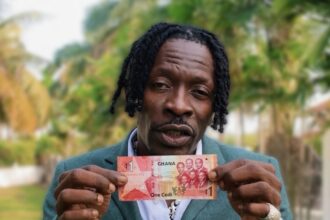


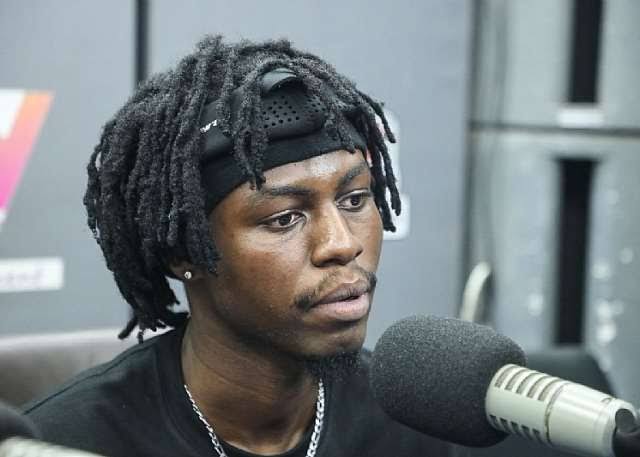
Ghanaian musician Kweku Flick has sparked conversation among music fans after publicly appreciating Ugandan TikTok personality Tenge Tenge for supporting his latest release, “Frangō.”
The appreciation came shortly after the release of the song’s music video, but Kweku Flick’s comments about receiving stronger support from outside Ghana than from his own country quickly became a talking point online.
The situation has once again opened up a familiar debate about how Ghanaian artists support one another and whether local musicians receive enough encouragement from their fellow industry players.
Kweku Flick Appreciates Tenge Tenge
Kweku Flick took time to thank Tenge Tenge for his contribution to the promotion of “Frangō.” The Ugandan TikToker featured the song in his content, helping expose the track to audiences beyond Ghana.
For an artist trying to push a song internationally, such organic support can be valuable, especially when it comes from a creator with an established social media following.
“Frangō” Takes a Latin-Inspired Approach
The song combines Kweku Flick’s Ghanaian sound with Latin-inspired elements, while its message centers on resilience and perseverance.
The accompanying music video has added another layer to the release as the song continues to circulate online. Tenge Tenge’s involvement has also helped the track reach audiences who may not have discovered it through traditional Ghanaian music channels.
“No Prophet Is Honoured at Home”
Kweku Flick’s remarks about receiving stronger support from abroad resonated with some fans. Supporters pointed to the popular saying that “no prophet is honoured in his own country,” arguing that Ghanaian artists sometimes receive greater recognition once their music gains traction internationally.
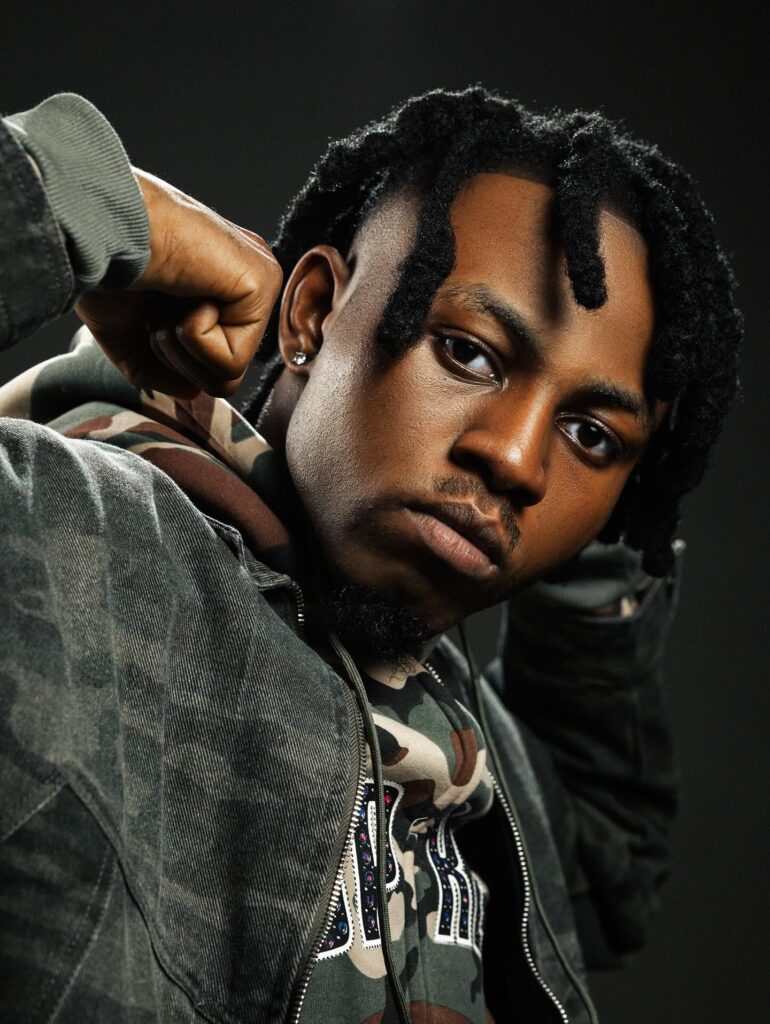
Others, however, disagreed with the sentiment and believed local support should not be dismissed simply because international attention has become more visible.
Kwadwo Sheldon Challenges the Narrative
The discussion became more intense after Ghanaian content creator Kwadwo Sheldon criticized what he viewed as an ungrateful attitude.
Sheldon argued that local artists and audiences also play an important role in supporting Ghanaian musicians and encouraged greater mutual engagement within the country’s creative industry.
His comments added another perspective to the debate, with social media users taking different sides.
Some agreed that Ghanaian artists should appreciate their local supporters more, while others maintained that musicians have every right to acknowledge individuals who help their music reach new audiences.
The Bigger Issue for Ghana’s Music Industry
The debate goes beyond Kweku Flick and Tenge Tenge. Ghana’s music industry has repeatedly faced discussions about collaboration, streaming, local support, and whether established artists do enough to promote emerging talent.
Social media has made it easier for musicians to reach international audiences directly, meaning a single TikTok video from a creator in another country can sometimes generate attention that traditional promotional campaigns struggle to achieve.
That makes international support increasingly important for Ghanaian musicians.
My Opinion
I think Kweku Flick has every right to appreciate Tenge Tenge for helping promote his music. When someone from another country discovers your song, creates content around it, and introduces it to a new audience, that support deserves recognition.
However, I also understand why some people reacted negatively to the suggestion that foreign support is automatically more meaningful than Ghanaian support.
There is a difference between saying “this person from Uganda supported my song and I’m grateful” and suggesting that Ghanaians do not support you at all. The best approach would be for both sides to encourage more support rather than turning it into a competition between Ghanaian and international audiences.
If Ghana’s music industry wants to grow globally, artists, content creators, DJs, influencers, and fans all have a role to play. Supporting local music should not mean refusing to celebrate international supporters—and appreciating international attention should not mean overlooking the people who supported an artist from the beginning.
For “Frangō,” the controversy may ultimately have an unexpected benefit: more people are now talking about the song, and that attention could help Kweku Flick take the track to an even wider audience.