


Unplanned pregnancies can have a significant impact on a person’s life, affecting education, career, finances, and future plans. Fortunately, there are several safe and effective ways to reduce the risk of an unintended pregnancy.
The most important thing is to make informed decisions and choose a contraceptive method that suits your health and lifestyle. In this article, we’ll look at five effective ways to help prevent unwanted pregnancies.
- Use Condoms Correctly Every Time
Condoms are one of the most accessible and effective methods of preventing pregnancy. They also offer protection against many sexually transmitted infections (STIs), making them a popular choice for many couples.
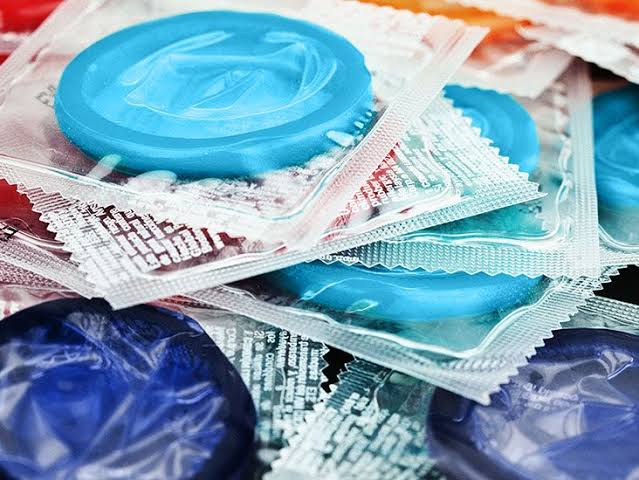
To get the best protection, condoms should be used correctly every time you have sex.
My Opinion: Condoms are an excellent option because they provide dual protection. Besides helping to prevent pregnancy, they also reduce the risk of many STIs, making them one of the safest choices for sexually active adults.
READ ALSO: Shatta Wale Returns to Ghana After UK Promotional Tour Ahead of ShattaFestUK
- Choose a Reliable Birth Control Method
Modern contraceptives are highly effective when used correctly. Depending on your individual needs, you may consider options such as: Birth control pills, Contraceptive injections, Implants, Intrauterine Devices (IUDs), Contraceptive patches, Vaginal rings.
It’s always best to speak with a qualified healthcare professional who can recommend the most suitable option based on your medical history and future family plans.
My Opinion: There isn’t a “one-size-fits-all” contraceptive. What works well for one person may not be the best choice for another, so professional medical advice is always worthwhile.
READ ALSO: VIDEO: Asantewaa Shares How She Met AMG Armani Before Their Relationship Began
- Understand Your Fertility Cycle
Learning about your menstrual cycle can help you understand when pregnancy is more likely to occur.
Tracking your cycle using a calendar or a reputable mobile app can help you identify your fertile days. However, fertility awareness alone is generally less reliable than modern contraceptive methods, especially if your cycle is irregular.
My Opinion: Understanding your body is valuable, but I believe fertility tracking should be combined with another reliable contraceptive method rather than being used on its own.
- Communicate Openly With Your Partner
Preventing an unintended pregnancy is a shared responsibility.
Before becoming sexually active, couples should discuss: their family planning goals, which contraceptive method they will use, their expectations and responsibilities and what they would do if contraception fails.
Honest communication helps both partners make informed and responsible decisions.
My Opinion: Good communication is just as important as choosing the right contraceptive. Couples who openly discuss family planning are often better prepared to make decisions together.
- Be Prepared for Emergencies
Even when contraception is used correctly, accidents can happen.
If unprotected sex occurs or a contraceptive method fails—for example, if a condom breaks—emergency contraception may help reduce the risk of pregnancy if taken within the recommended timeframe.
Because timing is important, it’s advisable to seek guidance from a pharmacist or healthcare provider as soon as possible.
My Opinion: Emergency contraception should be viewed as a backup option rather than a regular method of birth control. Planning ahead is always the better approach.
Bonus Tips
Preventing an unwanted pregnancy begins with education, preparation, and responsible decision-making. Whether you choose condoms, hormonal contraception, or another medically approved method, consistency is essential for the best results.
Every individual and couple has different needs, so there is no single solution that works for everyone. If you’re unsure which contraceptive method is right for you, seek advice from a qualified healthcare provider who can offer guidance based on your personal circumstances.
By making informed choices and communicating openly with your partner, you can better protect your health, plan your future, and make decisions that align with your goals.
Disclaimer: This article is for general informational purposes only and should not be considered medical advice. Always consult a qualified healthcare professional for personalized guidance on contraception and reproductive health.