

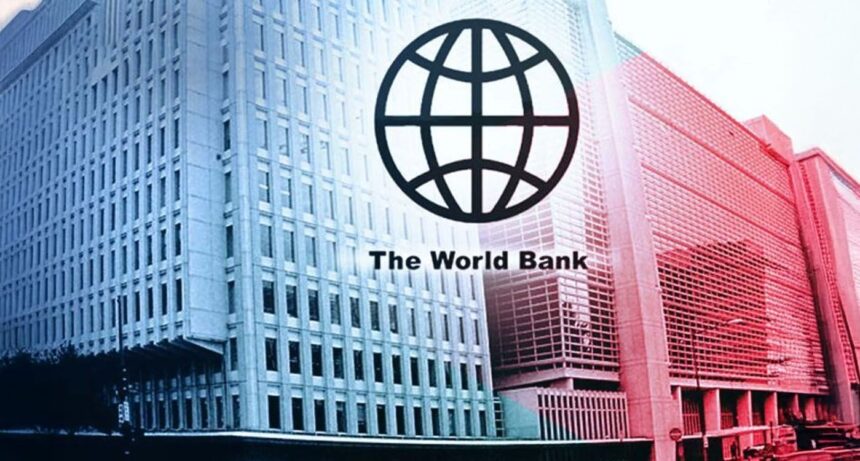
The World Bank has expressed renewed confidence in Ghana’s economic recovery, endorsing the country’s ongoing reform efforts as it transitions from crisis stabilisation to a more demanding phase of growth and fiscal consolidation.
The endorsement was made during high-level meetings in Washington, D.C., where senior officials highlighted Ghana’s improving macroeconomic indicators and continued policy discipline as evidence that reforms are beginning to yield results.
Signs of Economic Stabilisation and Recovery
According to the World Bank, Ghana’s recent economic performance reflects a gradual return to stability following a difficult period marked by high inflation, currency volatility, and debt restructuring challenges.
The Regional Vice President for Western and Central Africa, Ousmane Diagana, described Ghana’s progress as “impressive,” noting that it signals readiness for deeper engagement with international development partners.
The assessment comes at a crucial time as Ghana works to rebuild investor confidence and strengthen access to external financing.
Government Highlights Key Economic Improvements
Finance Minister Cassiel Ato Forson, speaking on behalf of the government, stated that the economy is now on a firmer and more stable footing.
He explained that government priorities have shifted from crisis management toward consolidating gains and promoting long-term growth.
Key improvements highlighted include:
- A sharp decline in inflation, from around 23% to approximately 3.2%
- Improved stability of the local currency
- Continued investment in social protection programmes
According to the government, these indicators demonstrate that recent stabilisation policies are beginning to produce measurable results.
World Bank Endorses Structural Reforms
World Bank officials emphasized that Ghana’s progress reflects more than short-term recovery, pointing instead to sustained fiscal discipline and strengthening economic credibility.
Seynabou Sakho, Regional Practice Director for Prosperity, noted that Ghana’s reforms—particularly in debt restructuring and macroeconomic management—are increasingly being regarded as a reference point within the region.
This suggests that Ghana’s policy direction could influence broader economic strategies across West Africa.
Focus on Social Protection During Adjustment Period
Despite ongoing fiscal reforms, the government has maintained a focus on social protection programmes aimed at cushioning vulnerable populations.
Trina Hague, Regional Practice Director for People, commended these efforts, describing them as essential for maintaining social stability during economic adjustment.
She noted that balancing reform with social support remains critical for long-term sustainability.
Next Phase: Growth, Productivity, and Job Creation
Looking ahead, government officials have outlined a development strategy focused on key productive sectors, including:
- Agriculture
- Energy
- Education
- Infrastructure
These sectors are expected to play a central role in driving inclusive growth, boosting productivity, and creating employment opportunities as Ghana moves beyond stabilisation into a growth-focused phase.
The Bigger Picture: Investor Confidence and Economic Direction
The World Bank’s endorsement reinforces growing international confidence in Ghana’s economic trajectory and reform programme.
As the country advances into its next phase of development, maintaining fiscal discipline while accelerating growth will be critical to sustaining momentum and delivering long-term economic benefits for citizens.