


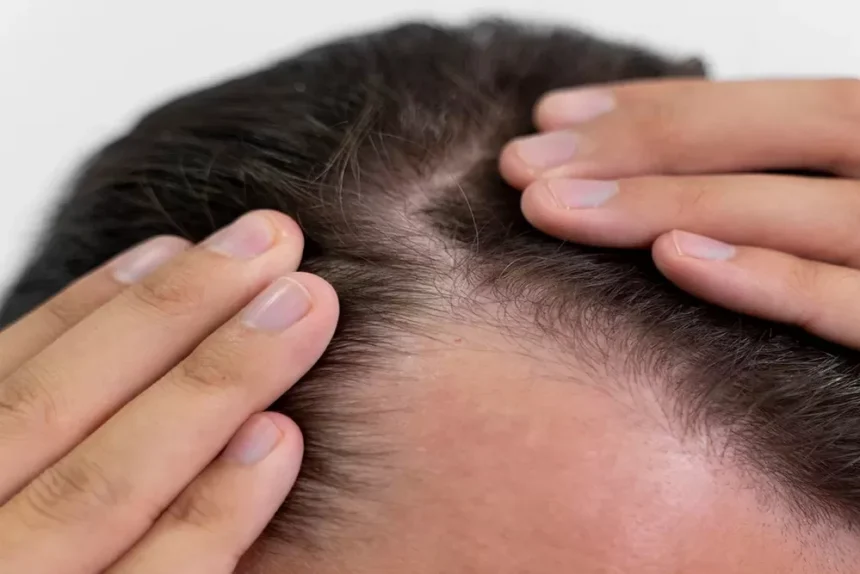
Hair loss is a common concern that can affect people at different stages of life. While losing a few strands daily is normal, excessive shedding may point to underlying factors such as genetics, stress, or lifestyle habits.
Understanding the causes of hair loss can help you take the right steps to manage it effectively.
1. Genetics (Family History)
One of the most common causes of hair loss is genetics, often referred to as hereditary hair loss or androgenetic alopecia.
If close family members have experienced thinning hair or baldness, there is a higher chance you may develop it as well. This type of hair loss usually occurs gradually, such as a receding hairline or thinning at the crown.
2. Stress and Emotional Pressure
Stress can significantly impact overall health, including hair growth.
After periods of emotional strain—such as exams, job challenges, or personal issues—some people experience increased shedding. This condition, often linked to telogen effluvium, may appear weeks or months after the stressful event.
The good news is that hair often regrows once stress levels improve.
3. Poor Diet and Nutrition
A lack of essential nutrients can weaken hair and slow growth.
Hair relies on:
- Protein
- Iron
- Vitamins (especially B vitamins and vitamin D)
Diets high in processed foods or low in balanced nutrients may lead to brittle or thinning hair over time.
4. Hormonal Changes
Hormonal fluctuations can disrupt the natural hair growth cycle.
This is common during:
- Pregnancy and after childbirth
- Menopause
- Thyroid imbalances
For example, many women experience temporary shedding after giving birth, which typically resolves over time.
5. Hair Care Practices
Certain styling habits can damage hair and lead to breakage or thinning.
Common causes include:
- Excessive heat styling
- Frequent chemical treatments (relaxers, bleaching)
- Tight hairstyles such as braids or ponytails
Over time, these practices can weaken hair strands and affect hairline health.
6. Medical Conditions and Medications
Some health conditions can contribute to hair loss, including:
- Thyroid disorders
- Scalp infections
- Autoimmune conditions
Additionally, certain medications may list hair thinning as a side effect. In many cases, treating the underlying condition can help improve hair growth.
7. Aging
As people age, hair naturally becomes thinner and grows more slowly.
This is a normal biological process and may lead to reduced hair density over time.
When Should You Be Concerned?
Occasional hair shedding is normal, but you should consider seeking medical advice if you notice:
- Sudden or excessive hair loss
- Bald patches
- Continuous thinning over time
A healthcare professional can help identify the cause and recommend appropriate treatment.
The Bigger Picture: Understanding Hair Health
Hair loss is rarely caused by a single factor. In most cases, it results from a combination of genetics, lifestyle, and overall health.
Making small changes—such as improving your diet, reducing stress, and adopting healthier hair care habits—can make a significant difference over time.