


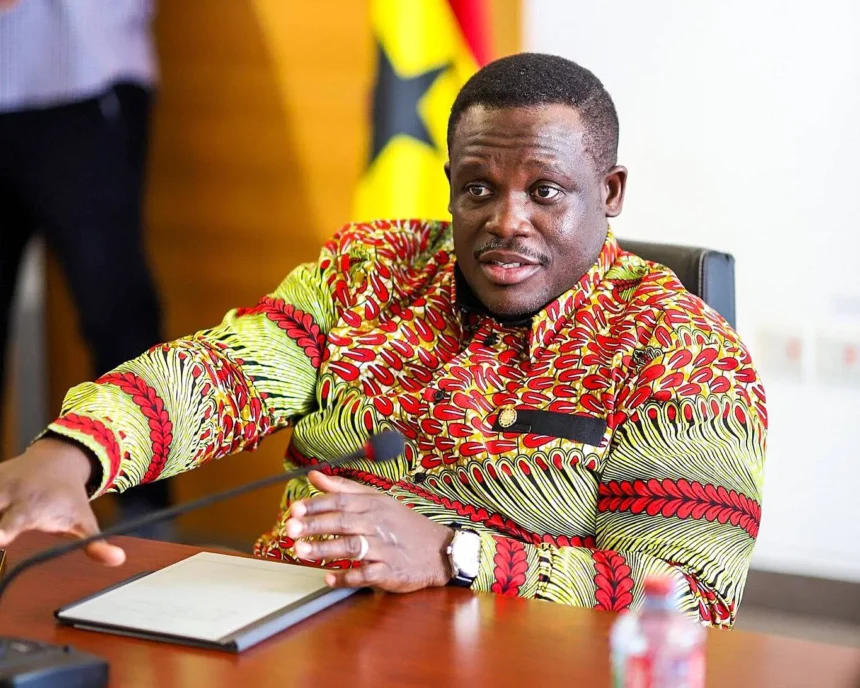
Member of Parliament for Ningo Prampram, Samuel Nartey George, has stated that certain forms of online content could be subject to scrutiny under the proposed Human Sexual Rights and Family Values Bill.
He made the remarks during a stakeholder engagement organised by Parliament’s Constitutional and Legal Affairs Committee on April 22, 2026.
Comments During Stakeholder Engagement
During the discussion, the MP referenced a social media personality in the context of how the bill could potentially be applied if passed into law.
He argued that both online activity and publicly shared content could be considered when assessing compliance with the proposed legislation.
Legal Interpretation Explained
Samuel Nartey George explained that, under general legal principles, prosecution typically requires two elements:
- Actus reus – the physical act
- Mens rea – the intention behind the act
He suggested that public statements and online behaviour could be evaluated alongside other forms of evidence in determining whether legal thresholds are met.
Status of the Bill
The Human Sexual Rights and Family Values Bill was initially passed by Parliament in 2024 but did not receive presidential assent.
It has since been reintroduced and remains under consideration.
If passed into law, the bill would address issues relating to same-sex conduct and related advocacy in Ghana.
Ongoing National Debate
The proposed legislation continues to generate widespread discussion across the country, with differing views from policymakers, civil society groups, and the general public.
Supporters argue it reflects cultural and societal values, while others have raised concerns about rights, enforcement, and broader implications.
The Bigger Picture: Law, Society, and Public Discourse
The conversation surrounding the bill highlights the complex intersection of law, culture, and individual expression.
As deliberations continue, stakeholders are expected to engage further on its potential legal, social, and constitutional impact.